
Making Our Islands
The character of Bear had been rattling around my head for a few years already after coming across a little vinyl single in a charity shop in Nairn featuring this song recorded on the Isle of Lewis in the 1970s by Gaelic legend Donnie ‘Dòtaman’ Macleod. Based on the true story of a film set escapee, I was enchanted by the idea of this character going on an unexpected journey around the Hebridean islands.
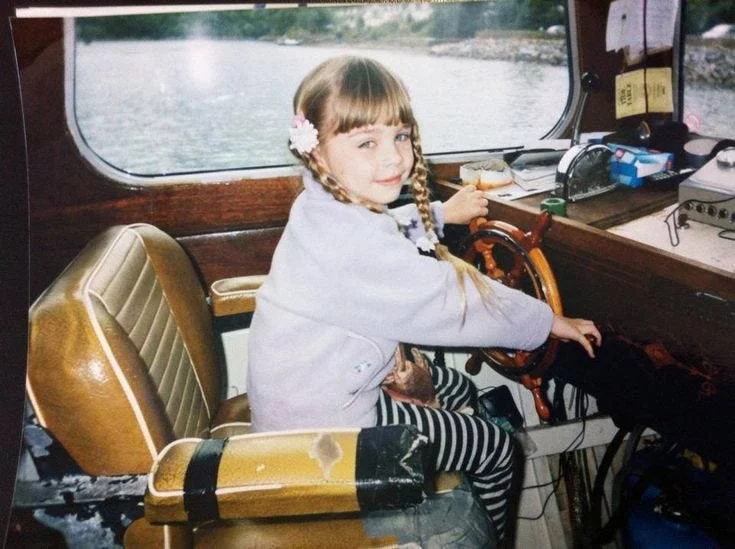
Little me, messing about in boats
The more enduring influence however has been the islands themselves.
Every time I have visited the Hebrides has been an adventure. With friends in camper vans, or with bikes and tents, on the back of my dad’s motorbike, or most often via a rubber dinghy launched from yacht Merlin, I always feel a thrill of anticipation. The imperative of crossing through the elements over the sea to access these places feels like travelling through a portal to another world.
Criss-crossing over and between these islands, in all weathers, I have encountered whales, curious dolphins with beady, knowing eyes, porpoises, eagles clutching adders in their talons, comic puffins, circling great skuas, and once even an enormous leaping bluefin tuna. At night I have seen bioluminescent algae churned up in black water by the motor. Alien jellyfish bloom in sinister groups, and distant seals howl under a midsummer night. The list goes on. They are also places shaped by people, whether that is the bustling town on Skye, a creaking and groaning industrial fish farm, or the just-visible patterns of long abandoned lazy beds on hillsides (the relics of traditional farming practices, some hundreds of years old). It is so easy to see why these places have centuries of stories attached to them.
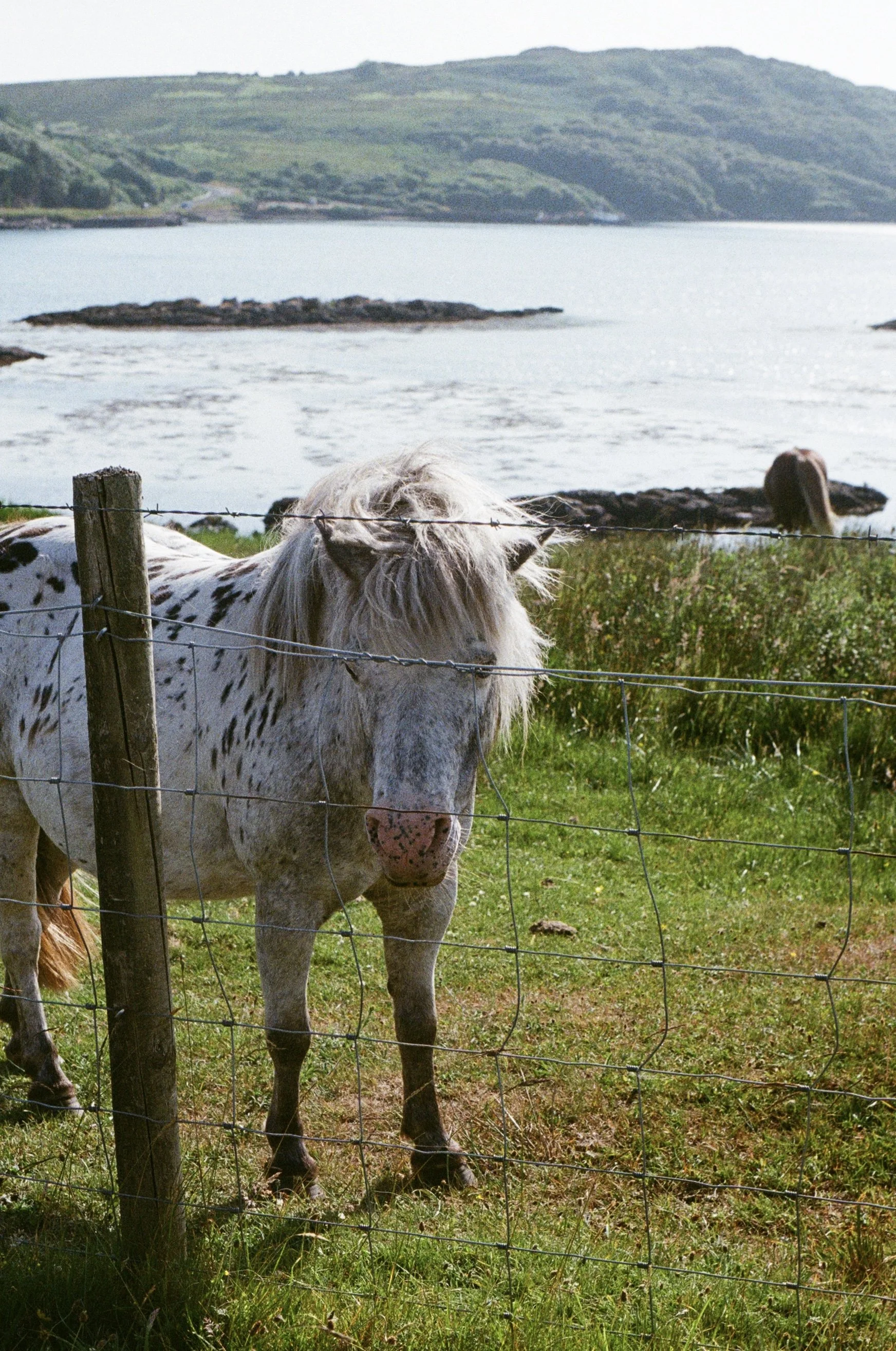
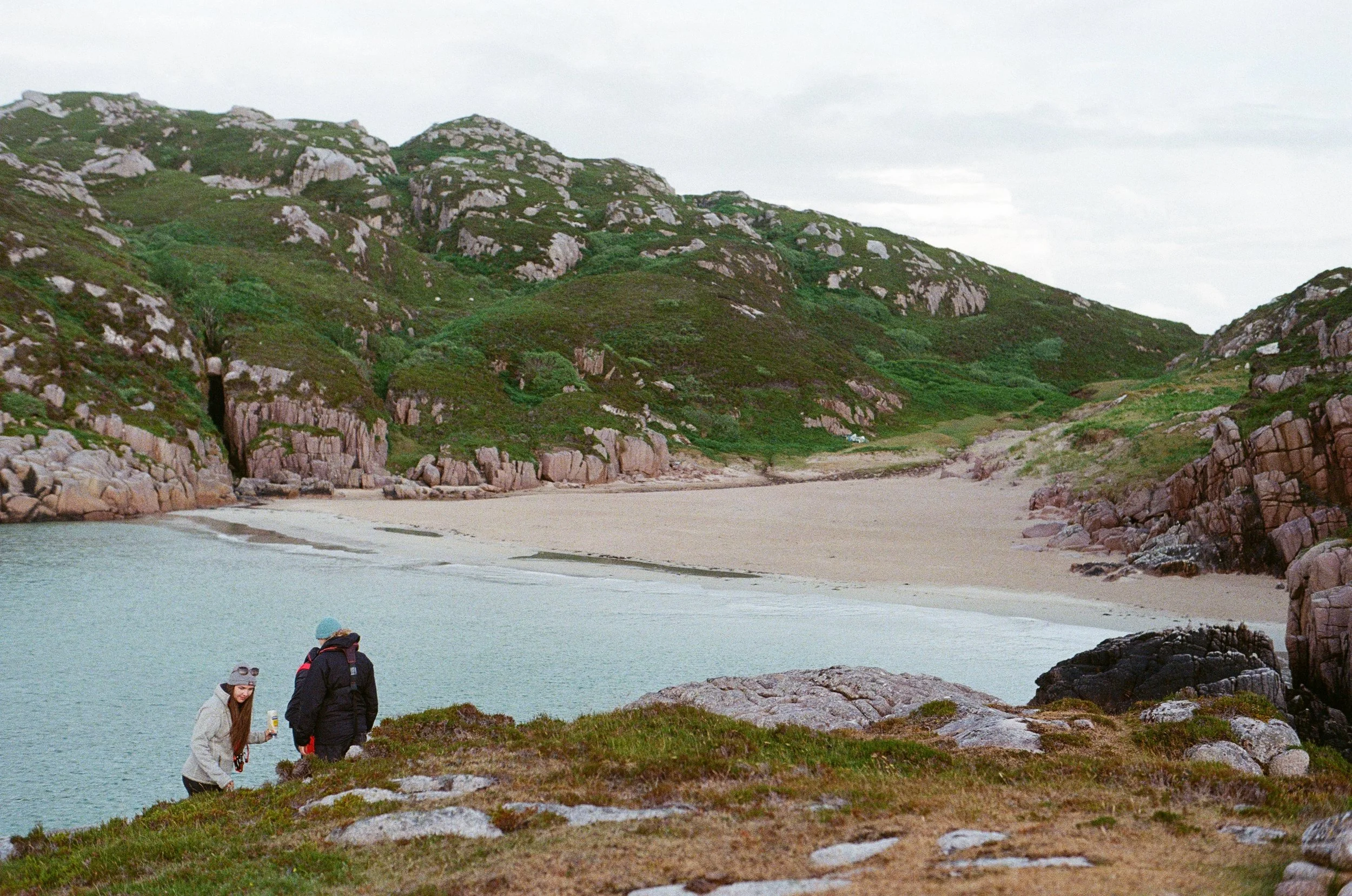
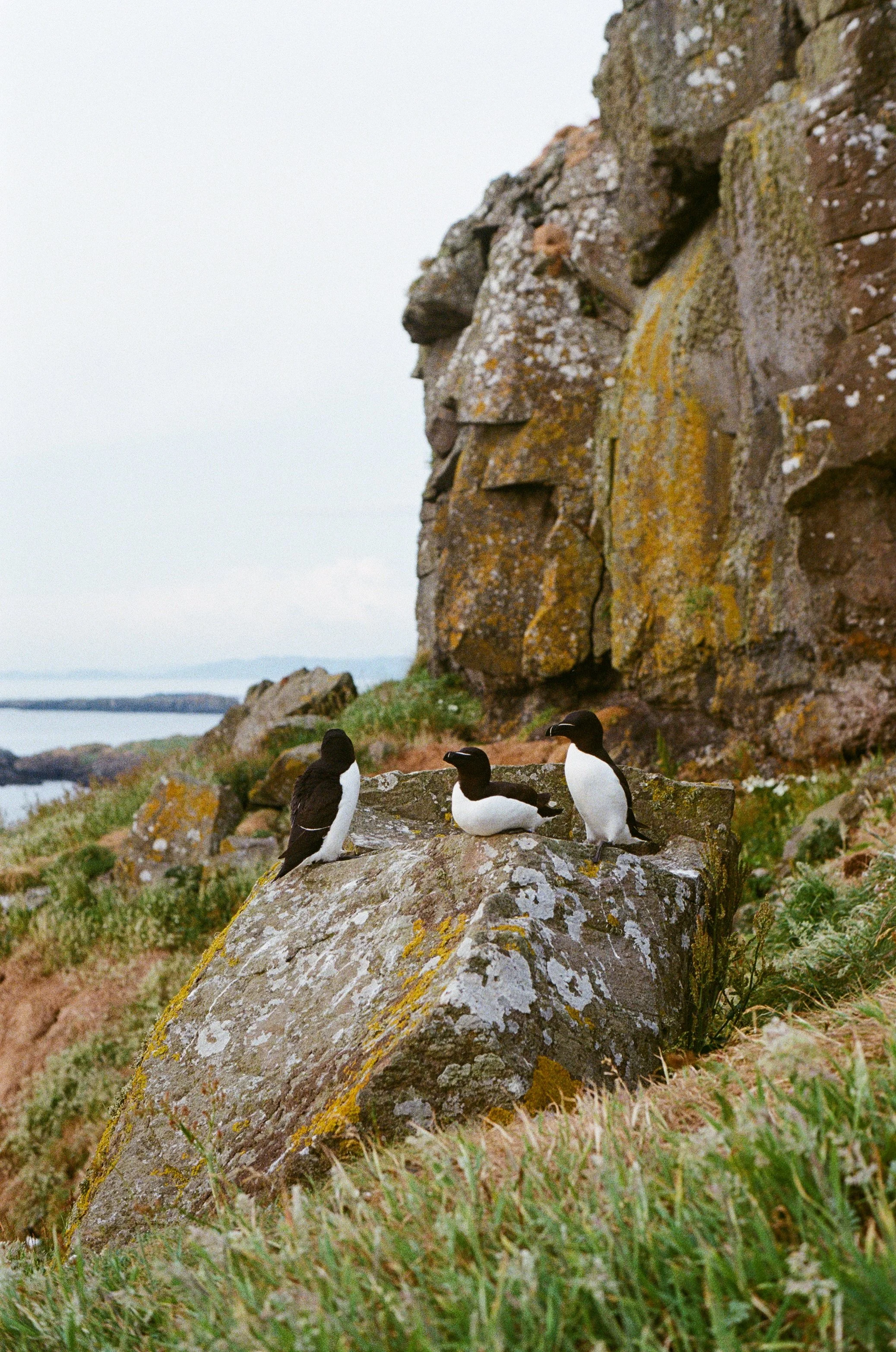
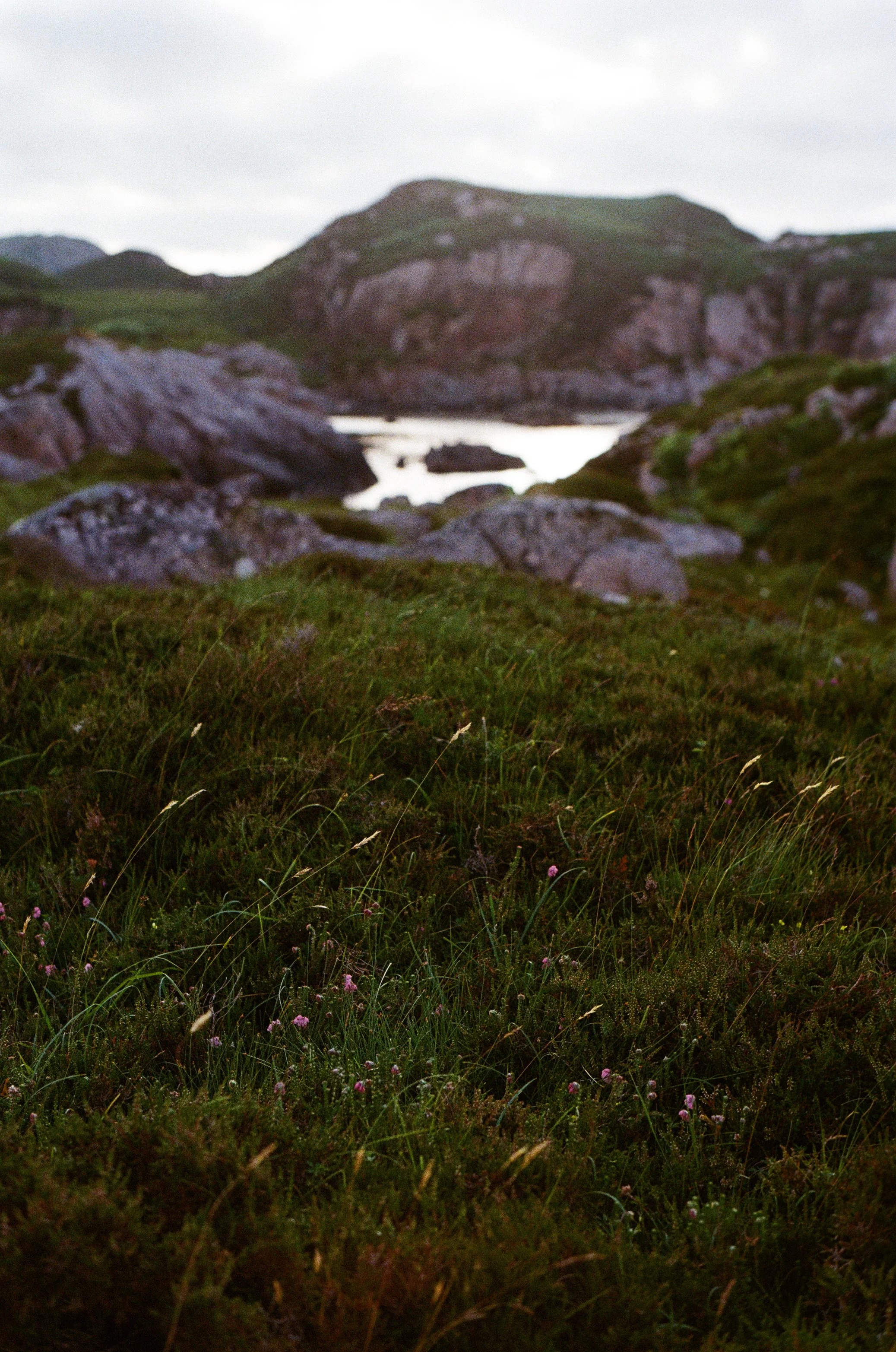
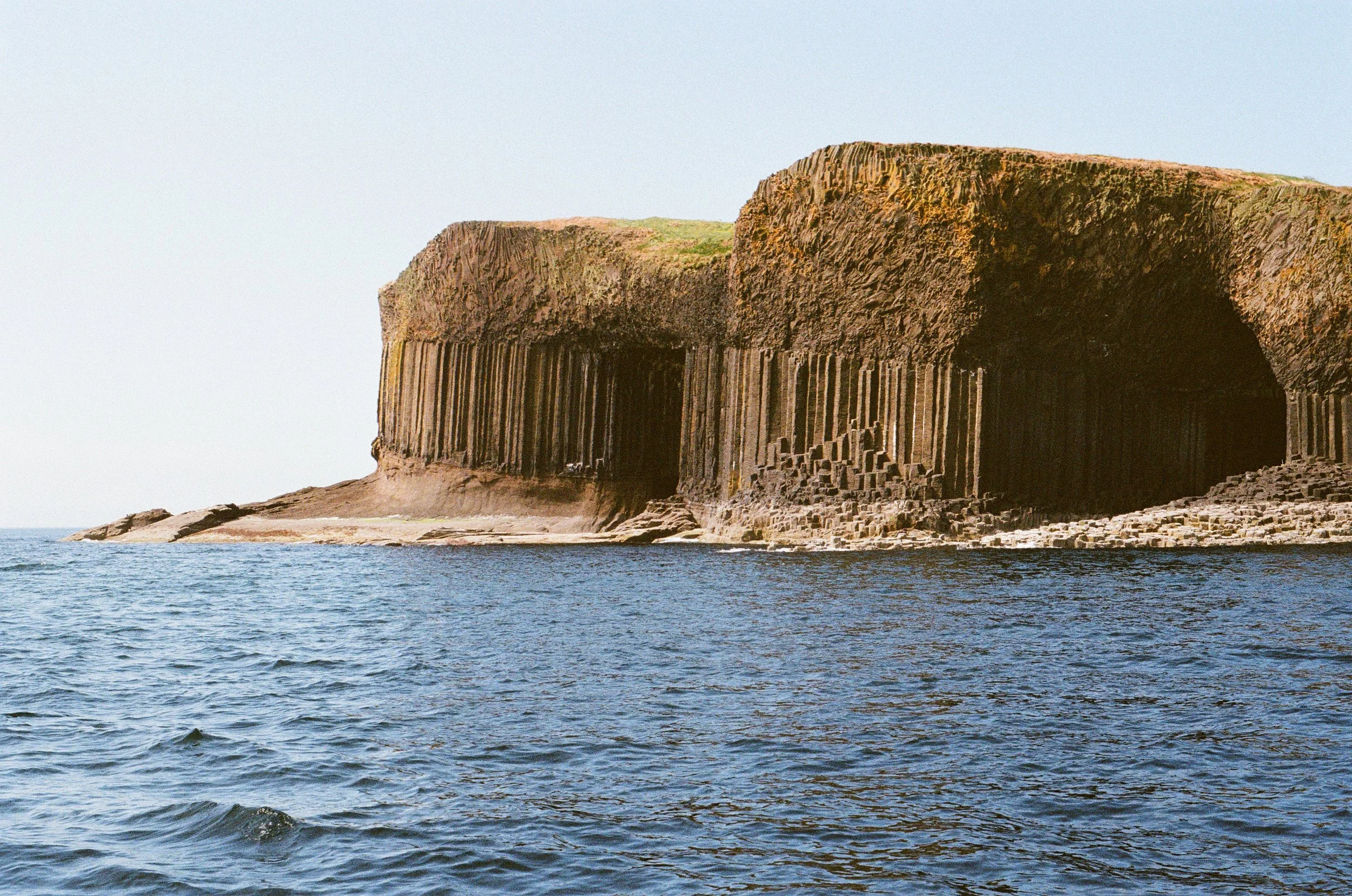
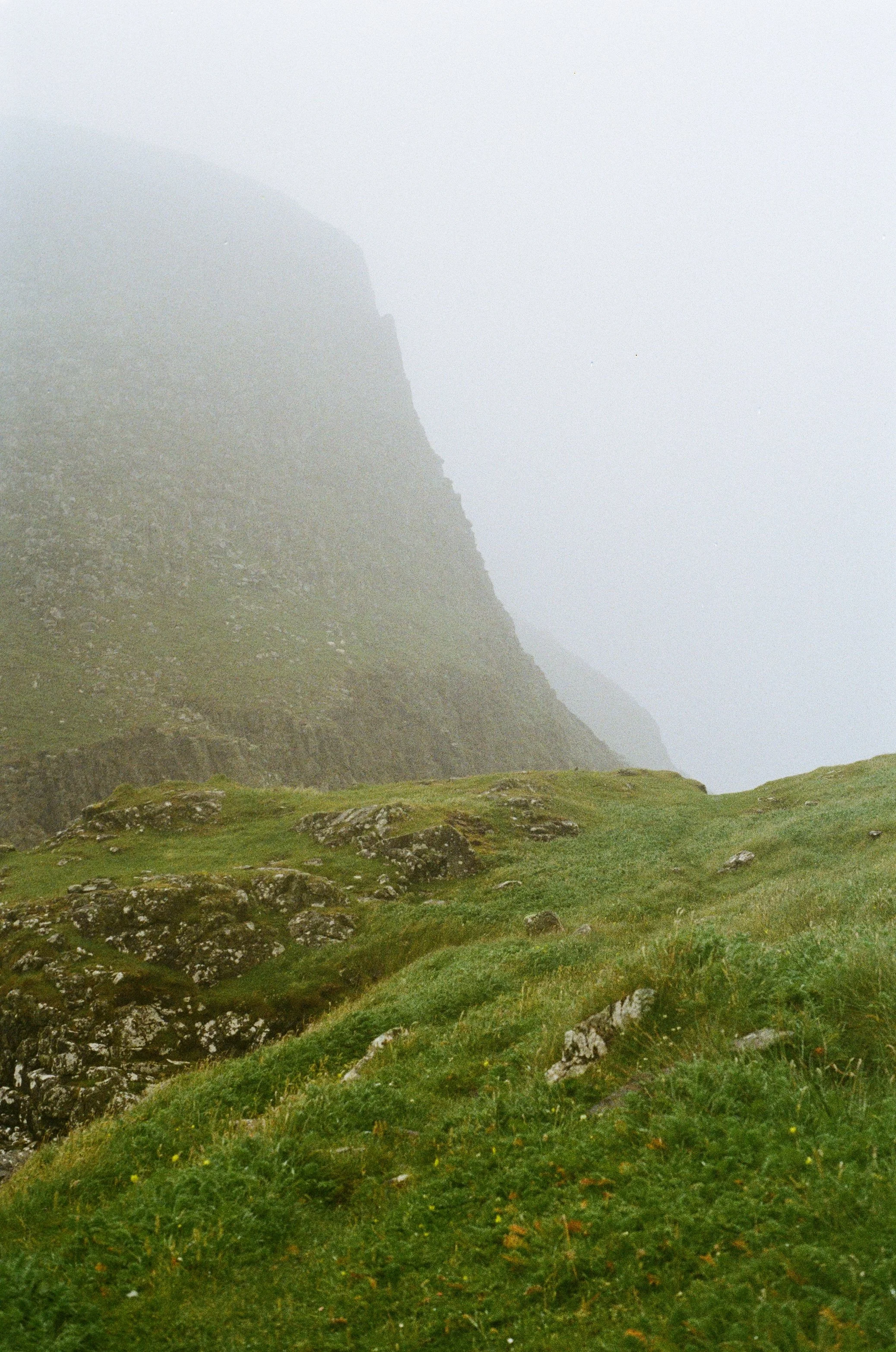
One of the things that has always struck me most when exploring the Hebrides is the diversity of the islands. One island, Rum, an eroded volcano later carved out by glacier, has been inhabited for 9,000 years, but is now mainly occupied by red deer, with a fluctuating human population of around 30 (to the deers 1000 strong herd). It feels caught in a much wilder and distant past, and with all the midges feels incredibly inhospitable. And then just across the water is Canna, made up of softly undulating hillsides and white beaches, dotted with sheep farms, crofts, and human activity. These differences are notable all over Scotland’s islands. Some, in their inaccessibility, even have their own distinct species, like the St Kilda field mouse.
I love the swing between these environments. One moment you’re on a silent hillside, where the only sound is made by the wind, and the next you’re amongst a colony thousands of birds strong, making a deafening racket (and stink!).
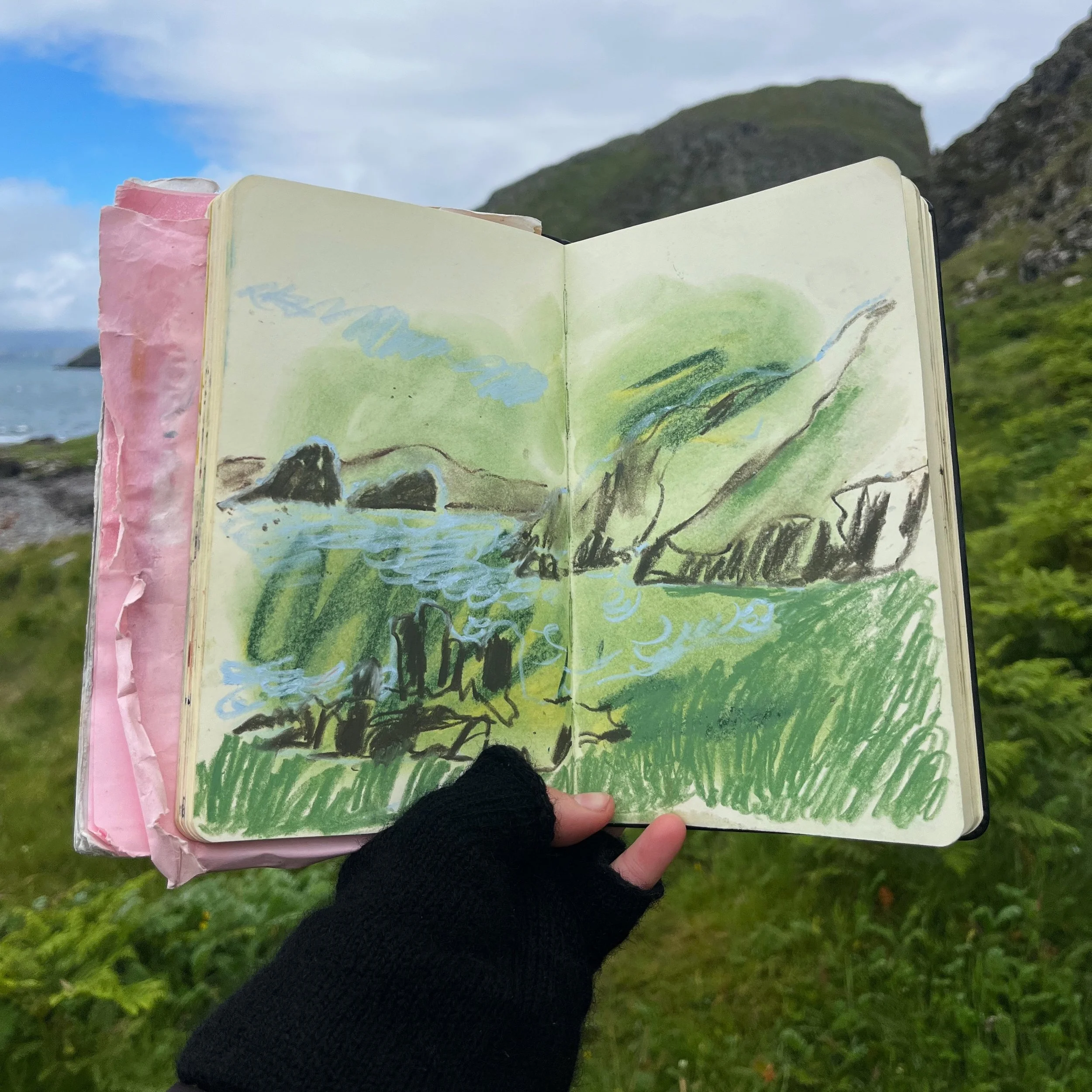
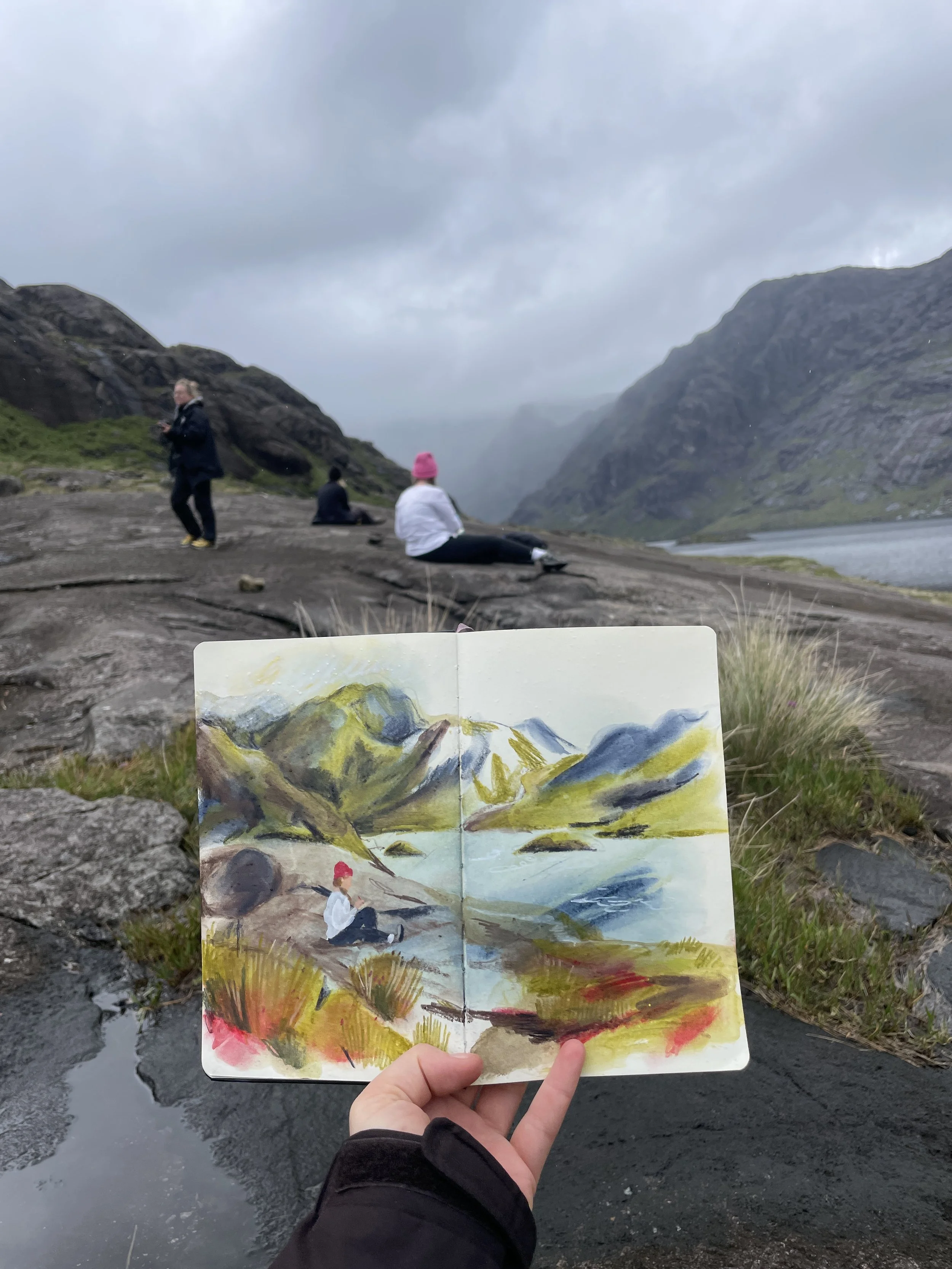
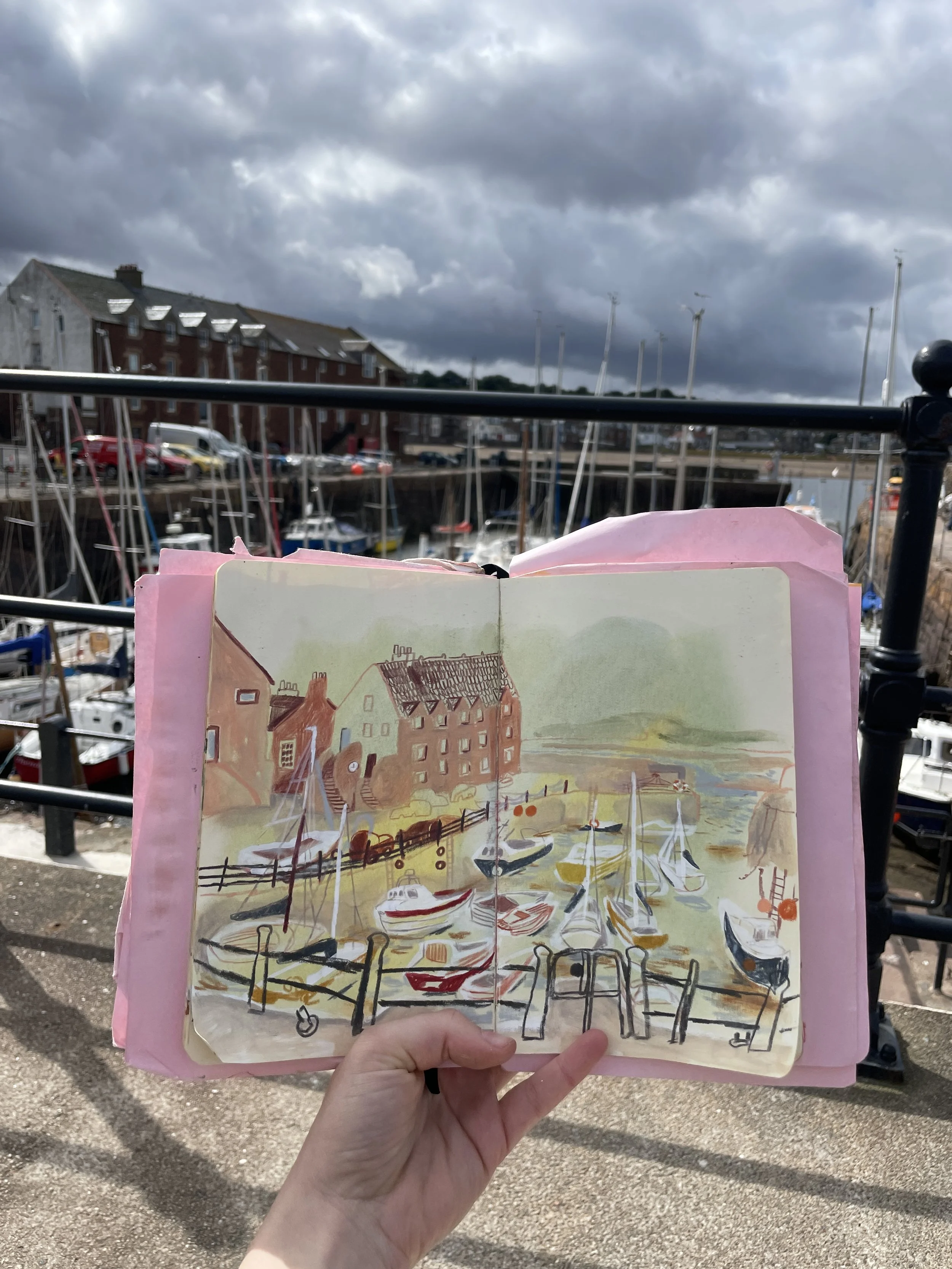
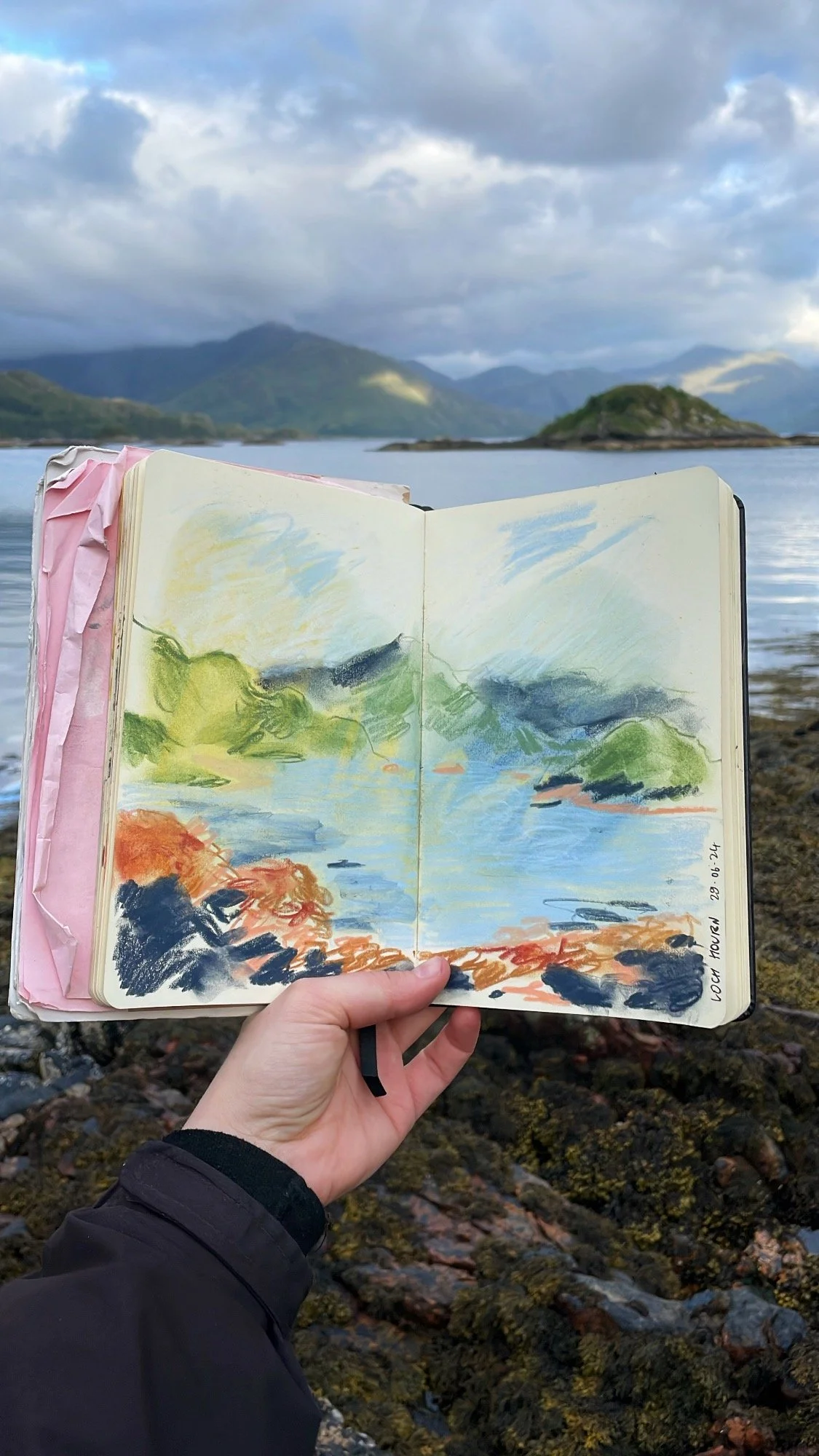
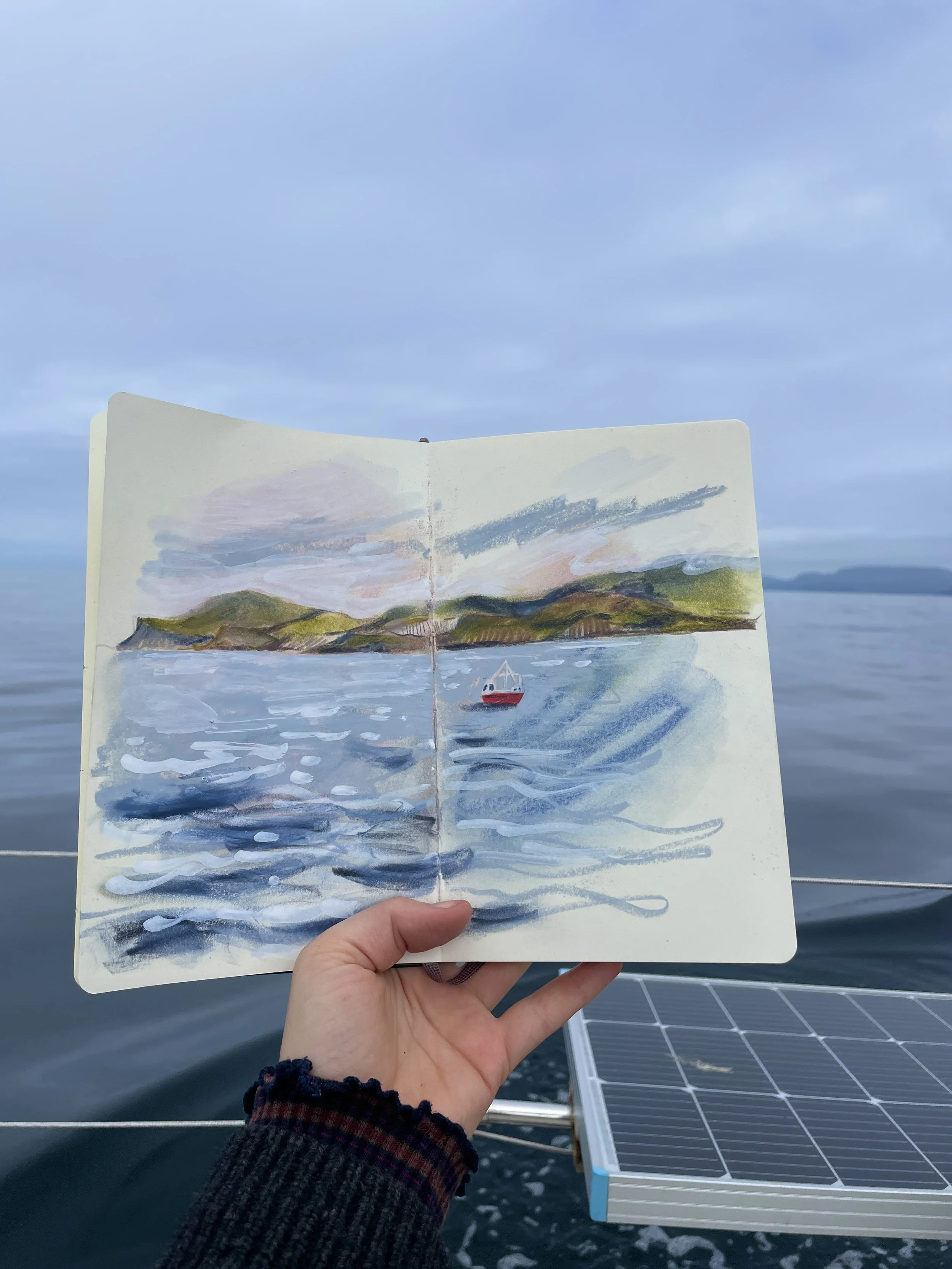
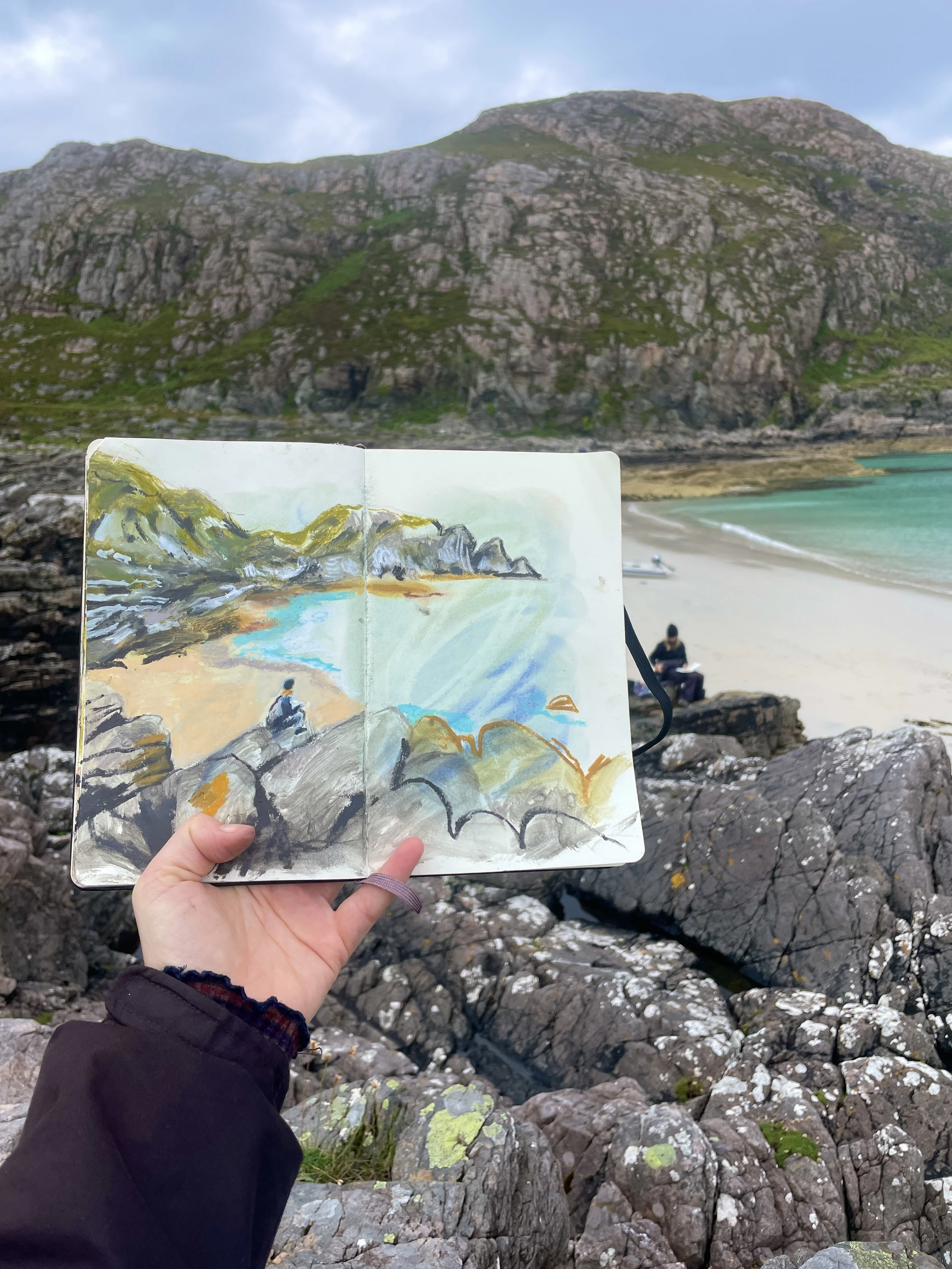
Aside from photography, I tried to record these places in my sketchbook. Often the weather is unfriendly, and you’re racing raindrops to get the image down on the page. It’s part of the fun - there’s a difference in energy depending on the conditions. You can see the variation in outcomes above - the top and bottom images on the left were done very quickly, whereas the top and bottom on the right were done in calm conditions and have far more detail.
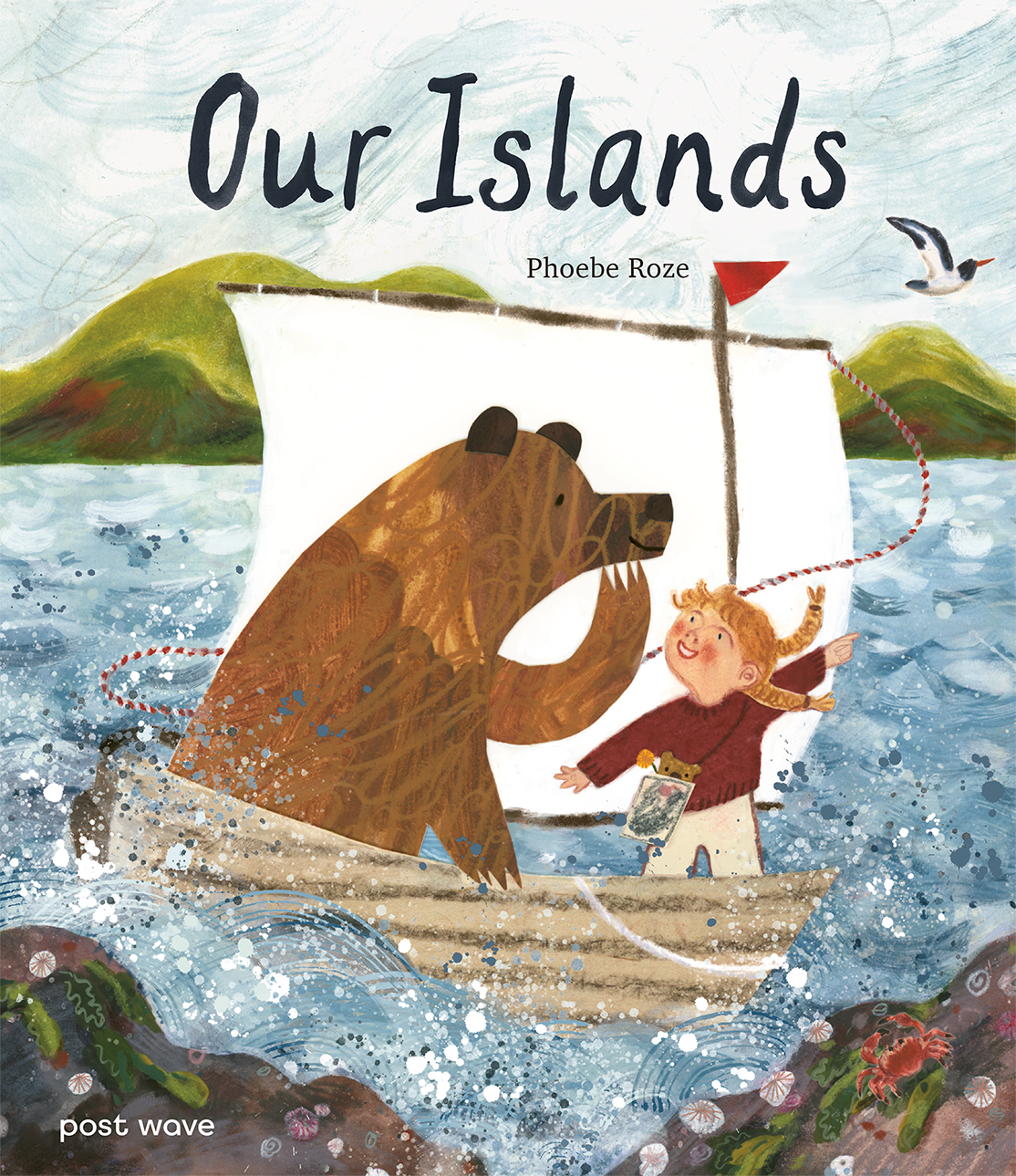
Our Islands | Phoebe Roze | Post Wave
I used these drawings, photographs, and jotted down memories throughout the making of Our Islands, filling the spreads with the changing weather and shifting scales that grab me so much when I’m out there experiencing them first-hand. The different personalities of these islands became the core of the story, and hopefully you will see this book as a celebration of that variety, and you will feel the sense of awe and discovery that comes with rounding a coastline to unexpectedly discover an ancient crumbling castle, or a noisy colony of seals lolling around the slippery rocks.
I hope this has given you a sense of the love that has gone into this book - I am so excited to share it with you!
Our Islands is out on the 7/05/2026 in the UK (5/05/2026 in the USA).
